Mr Seidu Issifu, Minister of Climate Change and Sustainability, has underscored the need for localised action by the Metropolitan, Municipal and District Assemblies towards addressing the menace of climate change.

“Whether it is shifting weather patterns affecting our agricultural productivity, infrastructure or water security challenges … climate change impacts are fundamentally local, and our response must be equally local,” he said.
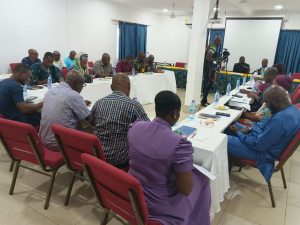
Alhaji Issifu said this in Wa in a speech read on his behalf during a stakeholders’ engagement on plans to establish Climate Change and Sustainability Units in all Metropolitan, Municipal and District Assemblies (MMDAs) across the country.
Staff of Municipal and District Assemblies (MDAs) in the region, including Municipal and District Chief Executives, Coordinating Directors and Planning Officers, and representatives from the Environmental Protection Authority and Forestry Commission participated in the meeting.
The initiative formed part of the government’s efforts to strengthen sub-national climate action and enhance the capacity of local authorities to respond effectively to the challenges of climate change.
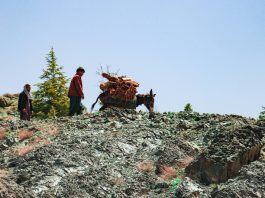
The stakeholders also visited some climate change sites in the region, including the reclaimed sand-winning site at the Jonga community in the Wa Municipality.
Addressing participants, Mr Issifu observed that local government authorities should be at the frontline of climate action as they represented critical partners in building resilient communities through targeted investments.
He explained that the proposed units would provide specialised expertise to help assemblies integrate climate actions into their medium-term development plans and improve access to climate finance opportunities.
The Minister acknowledged that many assemblies in the country faced climate action capacity gaps, including institutional barriers, resource constraints and limited technical expertise, which hindered their effective climate planning and implementation.
He explained that the establishment of the Office of the Minister of State for Climate Change and Sustainability was, therefore, to bridge such gaps through coordinating, mobilising and effectively utilising climate finance.
In a speech read on his behalf, Mr Charles Lwanga Puozuing, the Upper West Regional Minister, described the engagement as timely and strategic in advancing Ghana’s climate and sustainability agenda.
He commended the Office of the Minister of State for Climate Change and Sustainability for initiating the nationwide consultations, which would help deepen collaboration between central government and sub-national institutions in addressing climate change.
He said the proposed establishment of Climate Change and Sustainability units within the MMDAs represented a bold intervention that would strengthen climate governance at the local level.
Mr Cedric Dzelu, the Technical Director, Ministry of Climate Change and Sustainability, urged the MMDAs to strengthen their capacity to understand and utilise climate policies and financing mechanisms to advance local development and improve livelihoods in their communities.
Some of those policies and laws he mentioned included the National Climate Change Policy, Nationally Determined Contributions (NDCs) and the Environmental Protection Authority Act, among others
Mr Frank Aggrey, Director of Administration and Climate Finance at the Ministry of Climate Change and Sustainability, urged local authorities to prioritise climate-resilient infrastructure, sustainable land use planning and climate risk assessments in all development projects.
He said that was necessary because protecting the environment today was essential to safeguarding the livelihoods and well-being of future generations.
By Philip Tengzu