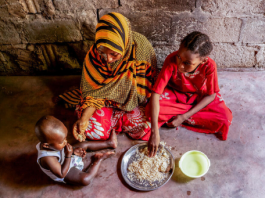
During the 2022 rainy season, the Sahelian and West African countries have been impacted by the most severe floods in years, further affecting livelihood and food security in a region already facing a deepening protracted crisis and deteriorating needs.

The region’s economy is based primarily on agropastoral production, which engages about 80 to 90 percent of the people. It is therefore urgent to build more resilient agricultural systems to eradicate food insecurity. Floods directly impact food availability, washing away livelihoods at key moments of the season while access to available food may also be restricted in the direct aftermath of disasters, resulting in interruptions in the food supply. Coupled with inefficiencies in food systems and the extreme vulnerability of countries exposed to the multidimensional crisis, the floods are pushing more people towards worrying levels of food insecurity.
According to the areas and moments of the year, floods can directly undermine crop yields and livestock health, resulting in lower food production and availability, depleted food reserves, and interruptions in the food supply. The recent floods that have rocked the region exacerbate an already precarious situation and are driving humanitarian needs upward. Combined with an unfavorable international context, in particular, an increase in the prices of imported staple foods, the food security of many populations could be worsened in the months to come.
However, floods also provide short windows of opportunity, which can be exploited if timely support is provided to those affected to quickly bounce back from their impacts. Once flood waters recede, rural dwellers can be supported in making use of the available resources to restart local food production and recover the losses encountered.
Credit:FAO