
African countries have been urged to strengthen international cooperation and climate action as rising temperatures threaten development gains across the continent.
 The call comes amid increasing climate-related impacts, including droughts, floods, heatwaves, landslides and coastal erosion, which are affecting livelihoods and economies.
Mr Walters Tubua, Regional Collaboration Centre Coordinator for West and Central Africa of the United Nations Framework Convention on Climate Change (UNFCCC), made the call in Accra.
He said global temperature records in recent years showed a clear warming trend, with 2024 surpassing 2023 as the hottest year on record.
Mr Tubua said the accelerating impacts of climate change were reversing development gains and required stronger international responses.
He said the UNFCCC Secretariat would continue to support African countries and the African Group of Negotiators (AGN) through technical assistance, capacity building and partnerships to strengthen climate action.
Mr Tubua said the Secretariat was also expanding its partnerships beyond traditional development partners to mobilise additional support for countries implementing their climate commitments.
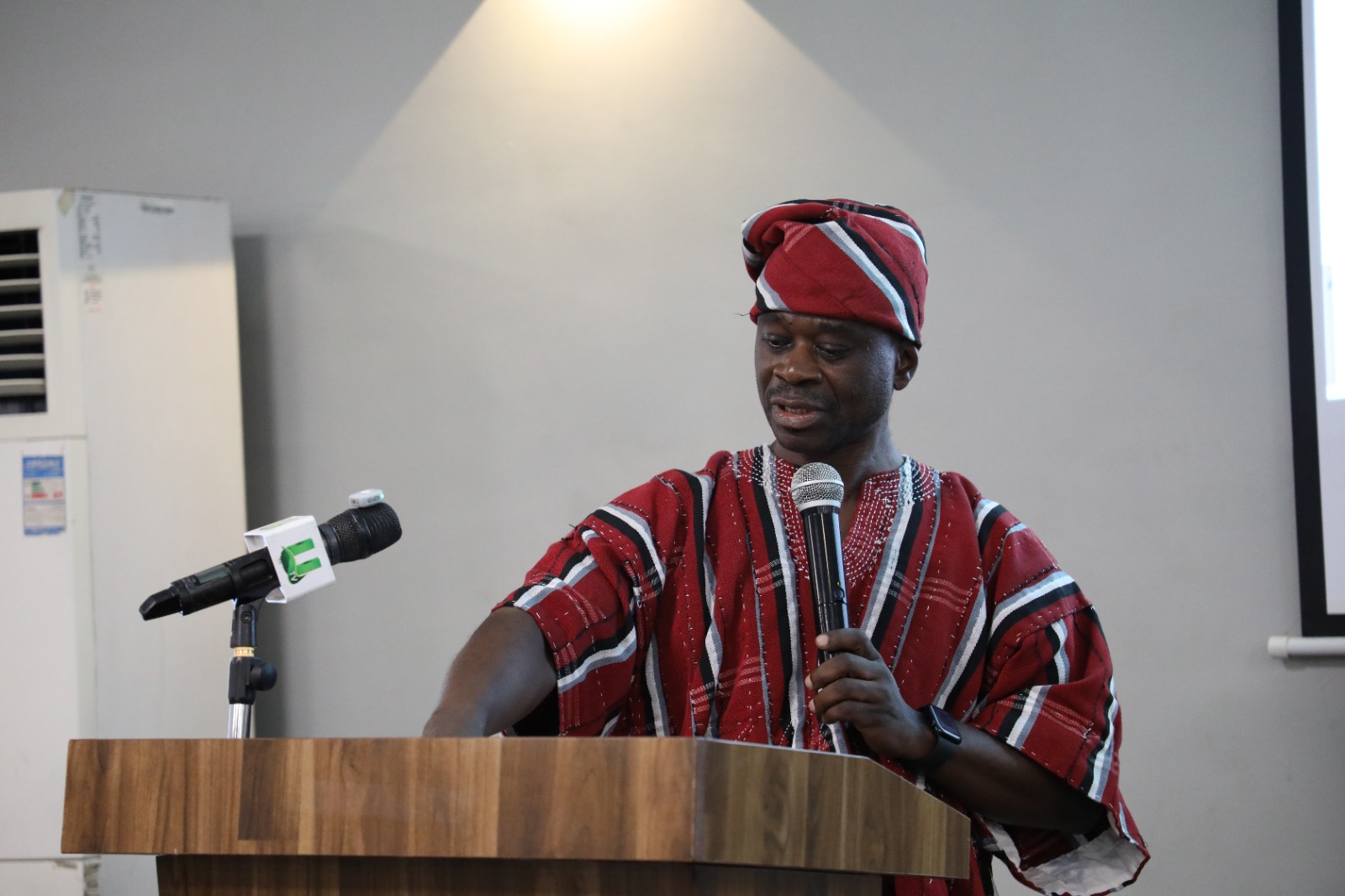
Nana Dr Antwi-Boasiako Amoah, Chair of the AGN, said the impacts of climate change required Africa to approach international negotiations with greater strategic clarity.
He said the AGN’s second strategy meeting in Accra was aimed at assessing the outcomes of the 64th Sessions of the UNFCCC Subsidiary Bodies (SB64) in Bonn and developing a coordinated approach towards COP31 in Antalya, Türkiye.
Nana Dr Amoah said the three-day meeting would examine adaptation, climate finance, just transition, mitigation, Article 6, agriculture, gender, capacity building, climate and trade, oceans, science, peace and security, among other issues.
He said Africa’s climate negotiations were not merely about texts and procedural decisions but directly concerned the livelihoods, economies and development prospects of its people.
Nana Dr Amoah cited farmers facing unpredictable rainfall, communities affected by drought, flooding and coastal erosion, and young Africans seeking decent livelihoods in a changing global economy.
He said the changing climate landscape, which increasingly intersected with trade, energy, critical minerals, industrialisation, technology, finance and development, required Africa to move beyond “business as usual” in its negotiating approach.
By Albert Oppong-Ansah, GNA