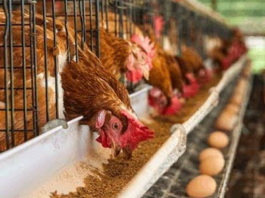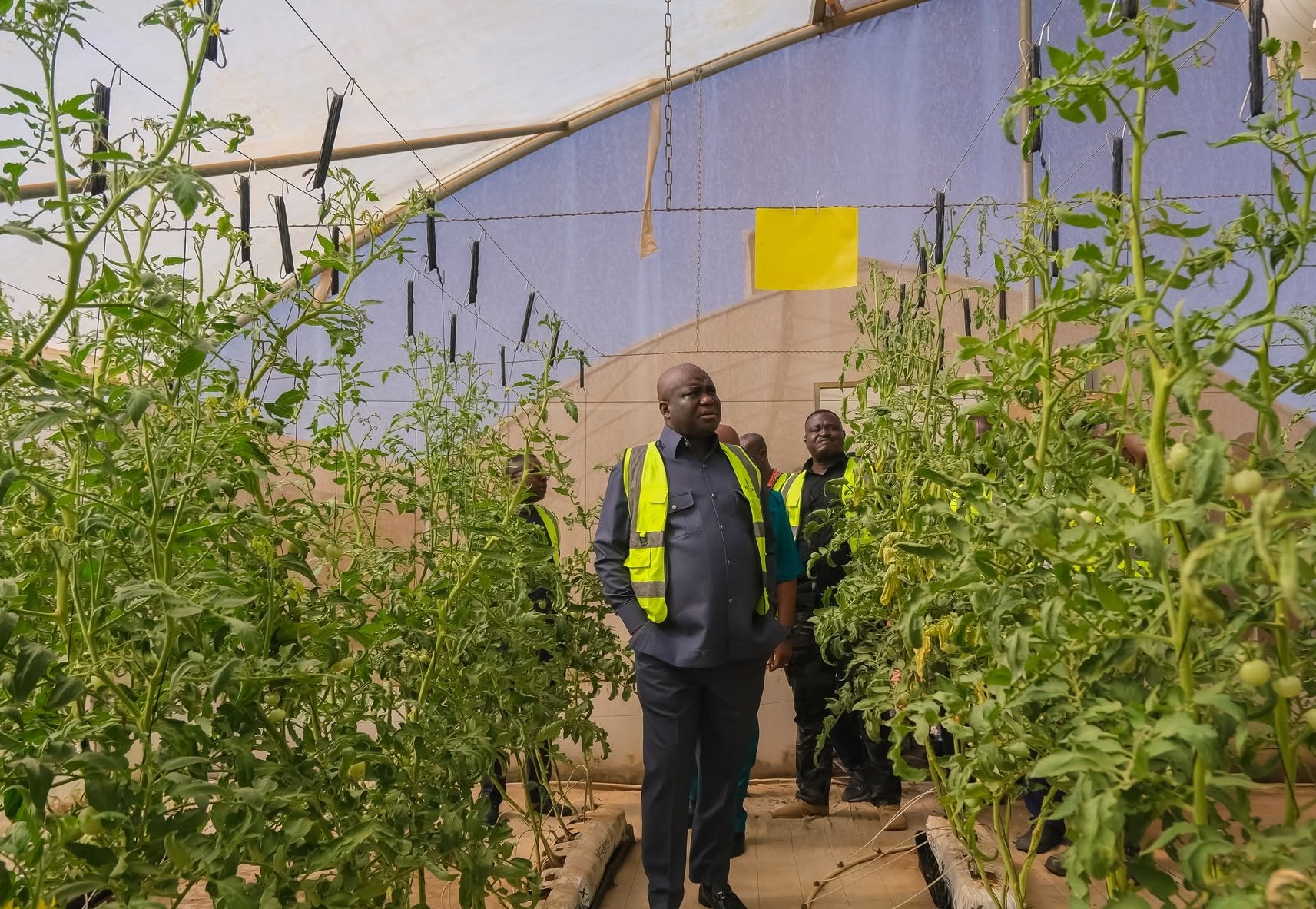
Agriculture remained Ghana’s largest source of employment in 2025, accounting for 37.1 per cent of employed persons, according to the Ghana Statistical Service’s (GSS) Productivity, Employment and Growth (PEG) Statistics Report.

Dr Alhassan Iddrisu, Government Statistician, presented the findings at the launch of the report last Friday.
The report showed that agriculture employed more than one-third of Ghana’s 13.3 million workers in 2025. Industry employed 18 per cent of the workforce.
Services accounted for 45.9 per cent of GDP and employed 44.9 per cent of workers.
The findings pointed to a gradual shift in the economy. Services and industry increased their shares of output, while agriculture remained a major source of livelihoods, especially in rural communities.
The report indicated that output per worker increased from about GH¢5,000 in 1991 to more than GH¢15,000 in 2025.
Agriculture recorded the highest productivity growth over the period. Output per worker increased by 65.7 per cent. The increase was 47.3 per cent in services and 28.7 per cent in industry.
Dr Iddrisu said the figures showed agriculture’s importance to employment. He said policies must help translate productivity gains into improved livelihoods.
He noted that information and communication services recorded the highest output per worker within the services sector. However, the subsector employed fewer than one in every 200 workers.
Dr Iddrisu urged the Government and policymakers to adopt output-per-worker targets in national and sectoral development plans.
He called for greater investment in sectors with high employment potential, particularly agriculture, while maintaining a stable investment climate.
Dr Iddrisu also called for Senior High School (SHS) and Technical and Vocational Education and Training (TVET) programmes to align with labour market demand.
He said youth employment initiatives should be assessed against the rate of young people not in employment, education or training (NEET).
Dr Iddrisu recommended increased investment in workforce training, technology and modern management practices.
He also encouraged partnerships with TVET institutions to expand apprenticeship opportunities and strengthen links with local micro, small and medium-sized enterprises (MSMEs).
Dr Iddrisu urged households and individuals to invest in education, technical skills and digital literacy.
He encouraged farmers and small business operators to adopt improved production methods and join cooperatives to access markets, finance, training and other support services.
By Francis Ntow, GNA