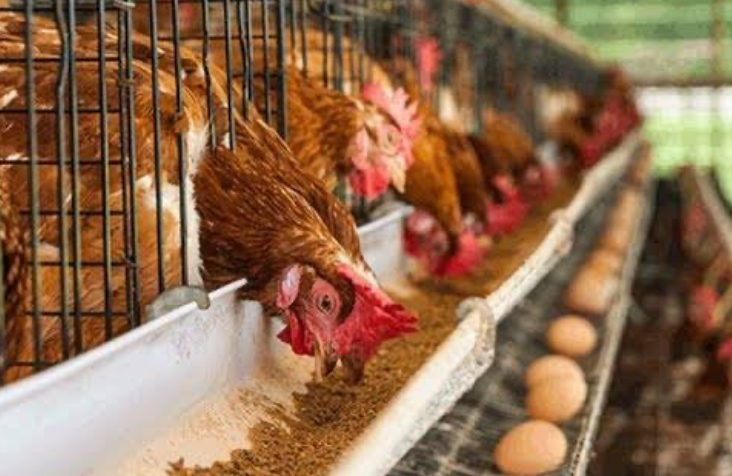
Poultry farmers have been advised to take urgent measures against heat stress as a developing El Niño threatens to bring hotter and drier conditions across Ghana from November 2026 to April 2027.

El Niño is a periodic warming of sea-surface temperatures in the equatorial Pacific Ocean that affects weather patterns globally.
Dr Victoria Norgbey, Founding President of Women in Poultry, said rising temperatures posed a significant threat to poultry production because heat stress reduced feed intake, impaired growth and increased birds’ vulnerability to respiratory diseases.
She said broiler chickens exposed to excessive heat tended to eat less, affecting their ability to attain expected market weight.
In layer production, she said, heat stress could reduce egg size and affect both the quantity and quality of eggs.
Dr Norgbey said birds consumed more water and spent more time resting during periods of intense heat, making reliable water supplies essential to maintaining production.
She urged farmers to ensure their water systems were functional and capable of providing sufficient clean water for their birds, especially during periods of high temperatures.
Dr Norgbey said preparations for the heat season should include continuous farmer education and the adoption of sustainable poultry management practices that recognised the interdependence of animal, human and environmental health.
She said Women in Poultry was preparing to intensify training on sustainable poultry production to equip members with the knowledge and practical skills needed to address emerging climate and environmental challenges.
Dr Norgbey said poultry production was closely linked to environmental conditions because the quality of water, feed and the farm environment directly influenced animal health and productivity.
She cautioned that environmental pollution could compromise water sources, creating additional challenges for farmers and communities that relied on alternative water supplies.
Dr Norgbey called for stronger environmental protection measures and sustained education to help farmers understand the risks and adopt appropriate interventions to safeguard their operations.
Earlier, Dr Eric Asuman, Director-General of GMet, told the Ghana News Agency that heat risks associated with the developing El Niño could intensify between January and March 2027, particularly in northern Ghana, underscoring the need for poultry farmers to strengthen preparedness measures to protect production and minimise losses.
Albert Oppong-Ansah