

The increasing temperature due to climate change is an important factor to consider in crop yield potential that could have been realized if crops are grown under favorable growing conditions, thus sustainable soil management to mitigate climate change will be a valuable discussion in climate-smart agriculture.
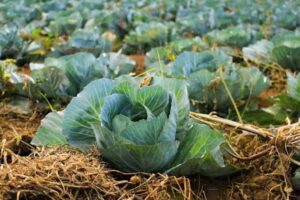 Maintaining soil fertility requires the availability of adequate soil moisture that is needed to sustain the existence of the soil biota and plant growth in line with soil fertility management practices that include the right fertilizer sourcing, rate of application, time of application, and method of application into the soil.
Increasing the quantity of inorganic fertilizer above the crop and soil requirements can contribute to soil acidification and soil crust, thereby reducing the content of soil organic matter, and beneficial soil microbes, and also contributing to poor plant growth.
Hence, farmers are advised to ensure adequate soil moisture, reduce the rate of evapotranspiration and avoid over-dependence on inorganic fertilizers and pesticides.
In addition selecting the best-performing variety of seeds in the farmer’s agro-ecological zone, efficient utilization of available water sources, and incorporation of well-decomposed organic manure are soil fertility management practices that can assist in mitigating the effects of climate change in line with the yield gap experienced by farmers in the absence of soil fertility management practices.
Stay tuned and keep discovering
By: Nafesat Lawal