

Tomato sellers in the Sunyani Municipality at the weekend expressed fear that the municipality is likely to experience shortage of fresh tomatoes, if the government fails to intervene, amid export restrictions in neighbouring Burkina Faso.
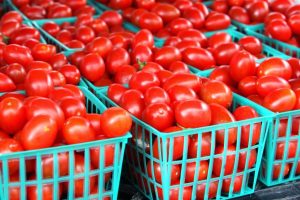 Nana Yaa Konama, the leader of the Tomato Sellers Association, called on the government to construct irrigation facilities and motivate growers to produce fresh tomatoes year-round, regardless of crop seasons.
During a Ghana News Agency (GNA) market survey at the Sunyani Daily Market, Nana Konama called also on the Crop Research Institute (CRI) to come out, and support the growers to cultivate climate resilient seedlings, saying that because local varieties were watery, they easily went rotten.
Nana Konama said tomato growers in the country had the capacity, saying that with irrigation facilities and other input support, they could produce enough tomatoes to feed the nation, without necessarily relying on imports.
She expressed worry that the municipality and parts of the Bono Region were gradually suffering the brunt of Burkina Faso’s restrictions on the export, saying that the market price for fresh tomatoes was gradually going up.
Nana Konama noted that besides the restrictions in Burkina Faso, many tomato traders were now unwilling to trade in Burkina Faso because of safety reasons.
She said: “The road out there isn’t safe, and we can’t risk our lives any longer.
“Yes, we often encounter armed robbery attacks on the road, but what happened recently leading to the death of some Ghanaians has scared most of us here and we aren’t ready to lose our lives.”.
Another tomato seller at the Sunyani Daily Market, Madam Elizabeth, confirmed that fresh tomatoes were expensive now at the market, saying that many of her customers had now opted for tomato paste. She said the tomato business was lucrative.
She called on the government to make tomato farming more attractive for the unemployed youth, noting that with financial and logistical support many of the young people could engage in commercial production.
Madam Elizabeth said motivating young people to grow tomatoes and other vegetables in commercial quantities would not only create job opportunities, but also help the nation to meet her growing demand for fresh vegetables.
By Dennis Peprah, GNA